
THE HISTORICAL JOURNEY OF THE ADUANA PEOPLE TO PRESENT-DAY BODAA Nana Amankwaa Yeboah, Aduanahene of the Bodaa Traditional Authority,
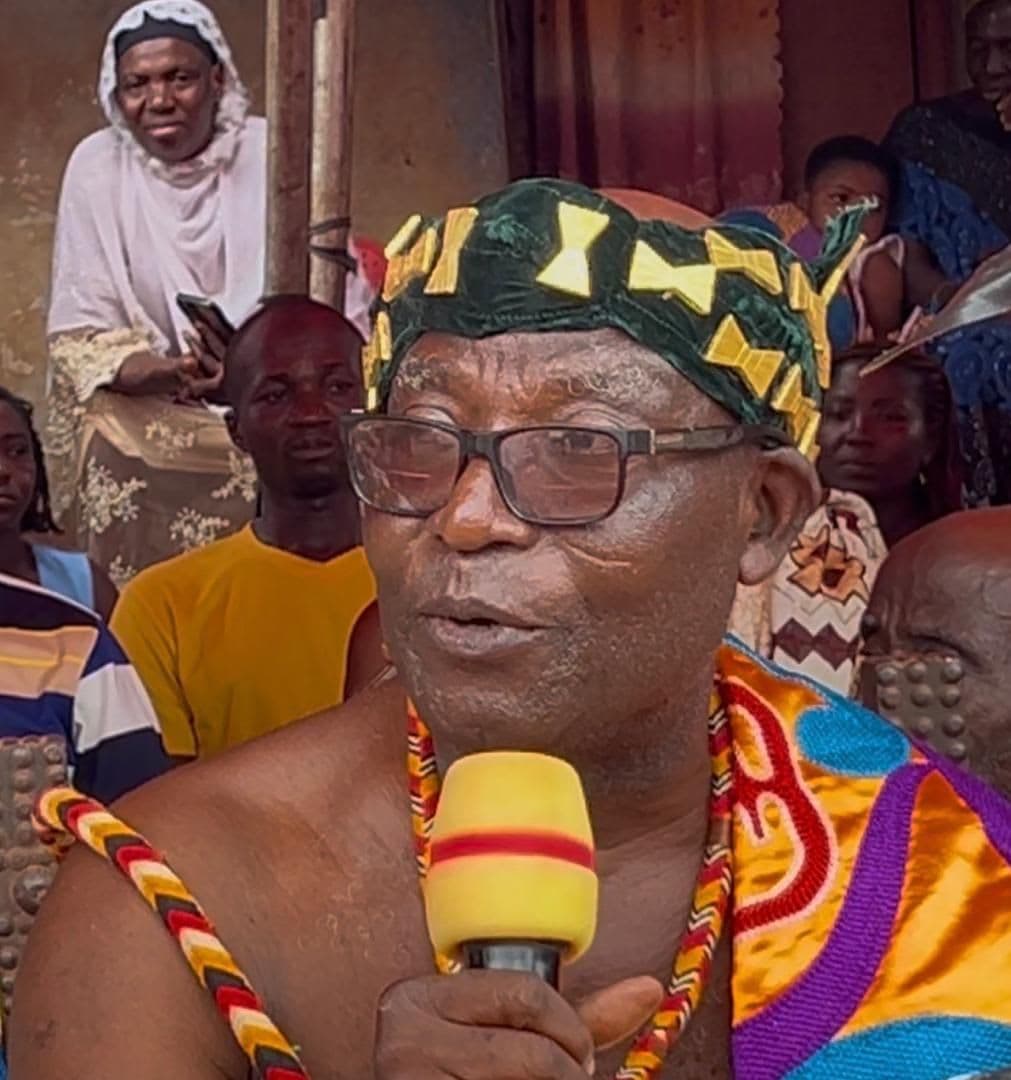
has recounted an important part of the history and traditional heritage of the people of Bodaa. Speaking during the 2026 Bodaa Munufie Yam Festival, Nana took the gathering through the historical journey of the ancestors of Bodaa and explained why the people continue to trace their roots and traditional history to present-day Dormaa. According to Nana, the forefathers of Bodaa were part of a larger group of people who migrated together in search of suitable places to settle. Their journey was not simply the movement of isolated families; rather, they travelled together as one people, preserving their ancestral identity, traditions, customs and lineage along the way.
The Aduana Heritage and the Dog with Fire A significant part of Nana's narration centred on the Aduana clan and its traditional nton. He explained that the symbol of the Aduana clan is a dog with fire in its mouth. This tradition is deeply rooted in the oral history of the Aduana people. Historical accounts of Akan traditions similarly describe the Aduana as being associated with a dog carrying or bringing fire, and the people are consequently referred to as Ogyaasefoɔ — descendants or people of fire.
According to the traditional account, the dog played a significant role in the journey of the ancestors. The animal is said to have appeared with fire in its mouth, helping to preserve or lead the people with fire during their migration. In some versions of the tradition, the dog is remembered as having led the ancestors on their journey, with the fire symbolising an important discovery that contributed to their survival and civilisation. The symbolism of the dog and fire therefore goes beyond an ordinary clan emblem.
The dog represents qualities such as loyalty, courage, protection and service, while the fire represents life, continuity, knowledge and civilisation. For the Aduana people, the story serves as a reminder of the journey and experiences of their ancestors. This heritage is also strongly associated with Dormaa, one of the principal traditional centres of the Aduana people. Historical and cultural accounts identify Dormaa as an important Aduana traditional state, reinforcing the significance of Nana's explanation of the ancestral connection between the people of Bodaa and present-day Dormaa.
Bodaa Is Not “Abayifoɔ Krom” Nana also used the occasion to clarify an important aspect of Bodaa's identity. He explained that Bodaa should not be described as “Abayifoɔ Krom.” According to the traditional account shared by Nana, the name and description associated with the community have been misunderstood over time. He explained that the area had extensive vacant land and open spaces where the ancestors would engage in activities and play during the night. The traditional explanation, therefore, provides a different understanding of the origin of the description associated with Bodaa.
Nana's explanation was an important reminder that communities have histories that are often preserved through oral tradition, storytelling and the collective memory of Nananom. Such accounts remain an important part of understanding the identity and heritage of the people. Preserving Bodaa's History Nana Amankwaa Yeboah's narration during the 2026 Munufie Yam Festival provided the younger generation with an opportunity to learn about the migration, ancestry and cultural identity of Bodaa. The story also demonstrated why festivals such as Bodaa Munufie Yam Festival are important beyond entertainment.
They provide a platform for Nananom to pass historical knowledge from one generation to another, strengthen unity and remind the community of its ancestral roots. Nana therefore encouraged everyone, particularly the youth, to participate fully in future editions of the Bodaa Munufie Yam Festival so that the history, culture and traditions of the community can be preserved for generations to come. The 2026 celebration was not only a festival of yam; it was also a celebration of heritage, identity, unity and the history of a people whose journey continues to shape present-day Bodaa.